
Exploring the social dynamics of gambling A community perspective
The Cultural Significance of Gambling
Gambling has long been an integral part of many cultures worldwide, functioning not only as entertainment but also as a social activity that fosters community bonds. In numerous societies, events centered around gambling, such as poker nights or community bingo, serve as a platform for social interaction. These gatherings provide a space for individuals to connect, share stories, and build relationships, underlining the communal aspect of gambling. The psychological thrill of chance also adds to its allure, creating a shared experience that resonates with human emotions, allowing players to learn more about the deeper impacts of these interactions.
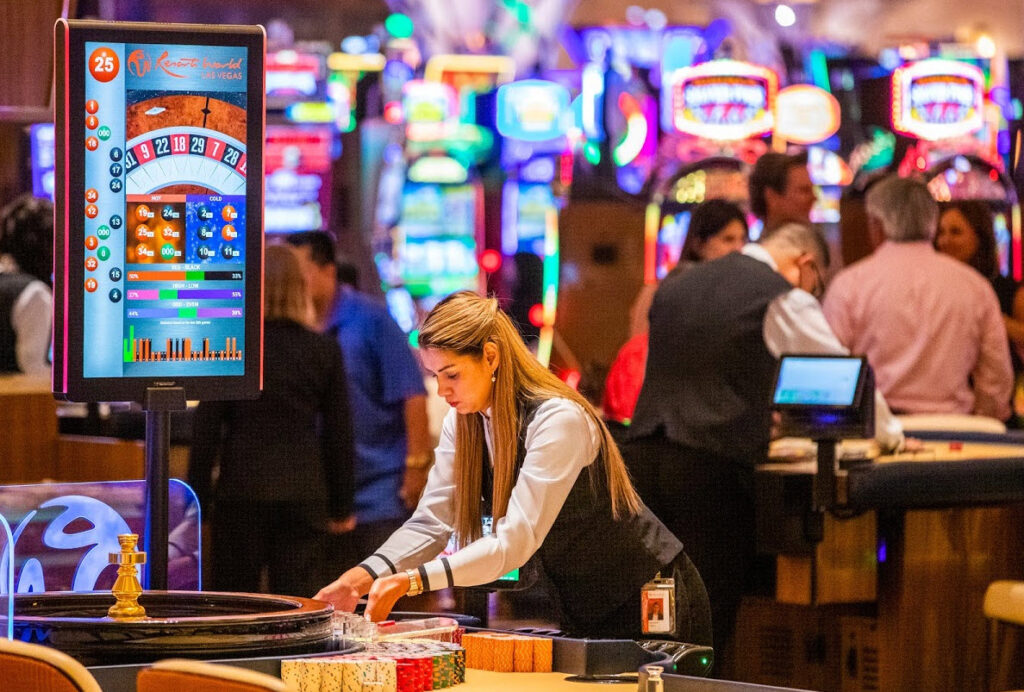
In many cultures, gambling is intertwined with rituals and traditions. Festivals often feature games of chance, where community members partake in various forms of betting, whether at a local fair or during special celebrations. This connection between gambling and cultural heritage highlights its role beyond mere financial gain; it reinforces social ties and collective identity. The stakes may vary, but the essence of community engagement remains a core element that enriches the social fabric.
Moreover, the shift towards online gambling has introduced new dynamics to community involvement. Virtual platforms often replicate the social experiences of traditional gambling by incorporating chat functions and live dealer games. This adaptation allows players to interact in real-time, fostering camaraderie and a sense of belonging even from a distance. As technology evolves, so too does the landscape of gambling, continuously shaping community interactions and cultural significance.
The Psychological Aspects of Gambling
The psychology of gambling is complex, deeply rooted in both individual and communal behaviors. People often gamble for various reasons, including the thrill of risk, the potential for financial reward, and social interaction. The excitement associated with placing a bet can create a rush of adrenaline, prompting individuals to seek out these experiences repeatedly. Additionally, the social aspect of gambling can serve as a coping mechanism for many, offering a temporary escape from reality and a chance to bond with others over shared interests.
Moreover, the psychological phenomenon known as “gamblers’ fallacy” influences how individuals perceive their chances of winning. Many players believe that past outcomes affect future events, leading them to continue gambling despite losses. This mindset can create a cycle of behavior that is both fascinating and concerning. Understanding these psychological triggers is crucial in addressing problem gambling and fostering healthier community practices around this activity.
Furthermore, the role of peer influence in gambling behavior cannot be overstated. Individuals may be more likely to engage in gambling when surrounded by friends or family who share a positive attitude toward it. This social reinforcement can create a culture of gambling that normalizes and even glamorizes the activity. Awareness of these psychological and social dynamics can help communities develop strategies to promote responsible gambling while maintaining the social enjoyment that comes with it.
The Role of Community in Gambling Addiction
Gambling addiction is a significant issue that affects not only individuals but also their communities. When someone falls into the cycle of compulsive gambling, the repercussions can ripple through families, friendships, and local networks. Communities may experience increased strain on resources, as individuals facing addiction often require additional support services, including counseling and financial assistance. Recognizing the communal impact of gambling addiction is essential for developing effective intervention strategies.
Moreover, stigma often surrounds gambling addiction, which can hinder individuals from seeking help. Community awareness and education about the signs of problem gambling can foster a more supportive environment for those struggling with addiction. By promoting open conversations around the topic, communities can reduce the shame associated with seeking help, encouraging individuals to reach out for support without fear of judgment. This proactive approach can empower community members to take control of their gambling habits, ultimately fostering a healthier atmosphere.
Support groups that bring together individuals affected by gambling addiction can also create a sense of belonging and understanding. These groups allow individuals to share their experiences, fostering connections that can lead to recovery. Communities that prioritize these supportive networks not only address the issue of gambling addiction but also strengthen social ties, demonstrating the importance of collective resilience in overcoming challenges related to gambling.
Gambling and Community Identity
The relationship between gambling and community identity is multifaceted, with the activity often serving as a reflection of local culture and values. In some regions, certain forms of gambling are celebrated as part of the community’s heritage, while in others, they may be viewed with skepticism. This dichotomy can shape how residents engage with gambling, influencing both participation rates and community attitudes. Understanding these perspectives is essential for communities to navigate the complexities of gambling’s role in their identity.
Additionally, local economies can be significantly impacted by gambling activities. Casinos or betting establishments may provide employment opportunities and stimulate business growth in the surrounding area. However, the benefits of gambling must be weighed against potential downsides, such as increased crime rates or social issues associated with addiction. Communities must engage in open discussions to strike a balance between economic benefits and the social ramifications of gambling.
Ultimately, the community’s approach to gambling can define its identity. By fostering a culture that promotes responsible gambling and community support, residents can create an environment that values both economic development and social well-being. This balanced perspective is essential for communities to thrive amidst the complexities of gambling’s influence on their identity and values.

Conclusion: The Community’s Role in Responsible Gambling
In conclusion, the dynamics of gambling extend far beyond individual experiences, profoundly influencing community interactions and cultural identities. Understanding these social dynamics is vital for fostering responsible gambling practices within communities. It requires active engagement from both individuals and local organizations to create supportive environments that promote healthy gambling habits while mitigating risks associated with addiction.
Communities can play a pivotal role in shaping the narrative around gambling by emphasizing education, support, and open conversations. By addressing the psychological aspects of gambling and its cultural significance, communities can work together to develop strategies that enhance social bonds while protecting vulnerable individuals. This holistic approach not only strengthens community ties but also empowers individuals to make informed choices about gambling.
As we explore the future of gambling, particularly with the rise of online platforms, it is crucial for communities to adapt and address these changing dynamics. Engaging with technology responsibly and fostering a culture of accountability will ensure that gambling remains a positive aspect of community life rather than a source of harm. By prioritizing collective well-being, communities can navigate the complexities of gambling while enriching their social fabric.
Comentários recentes